

Dashboard
Introduction
Section titled “Introduction”The Dashboard is the default first page for a panel (home route / under the panel path). It lays out registered widgets in a responsive CSS grid and optionally renders a filters form above the cards.
from almasix.orbit import Panelfrom app.orbit.app.widgets import OverviewStats, SignupsChart, RevenueApex, RecentPosts
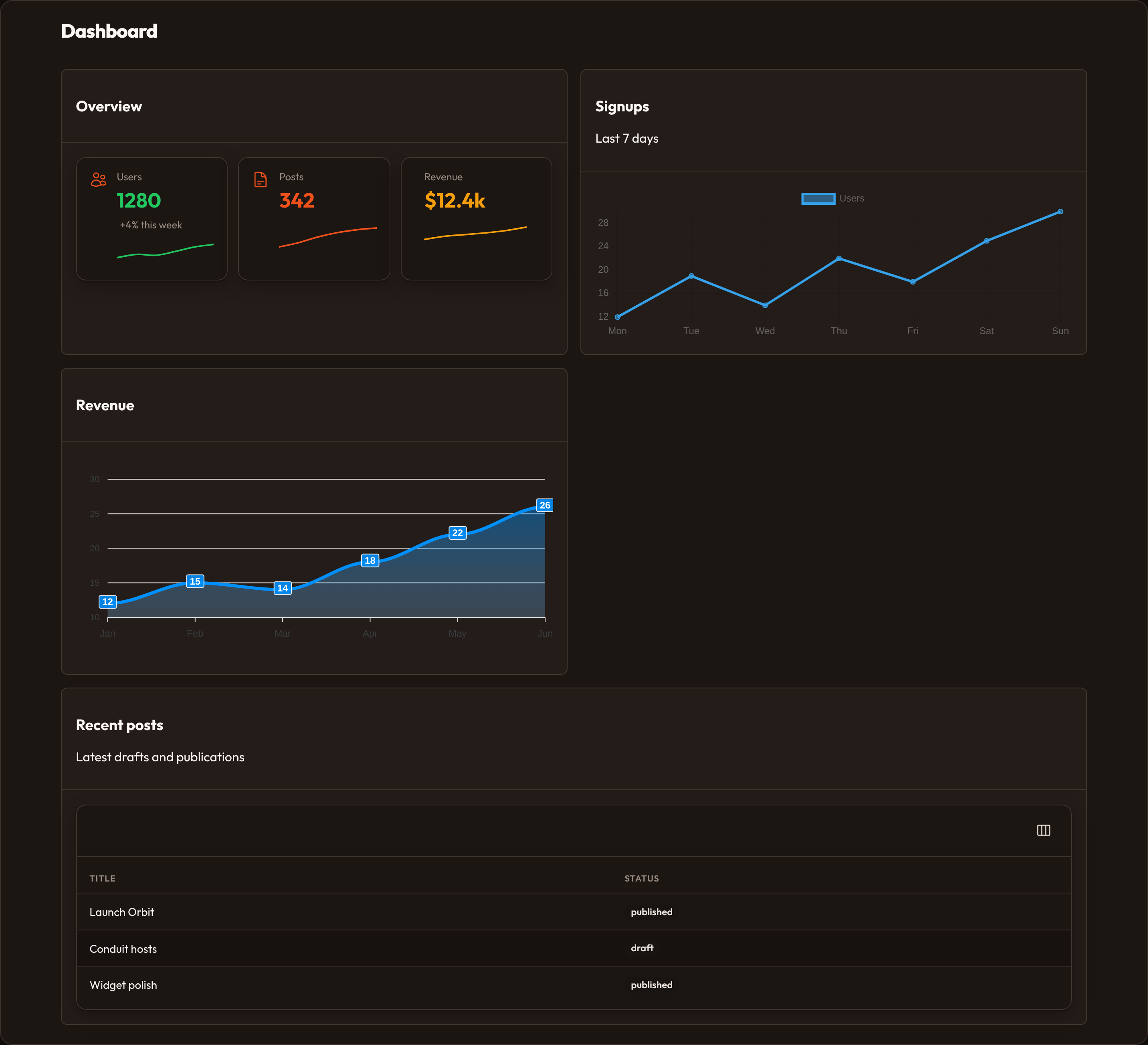
Panel.make("admin")    .path("admin")    .widgets([OverviewStats, SignupsChart, RevenueApex, RecentPosts])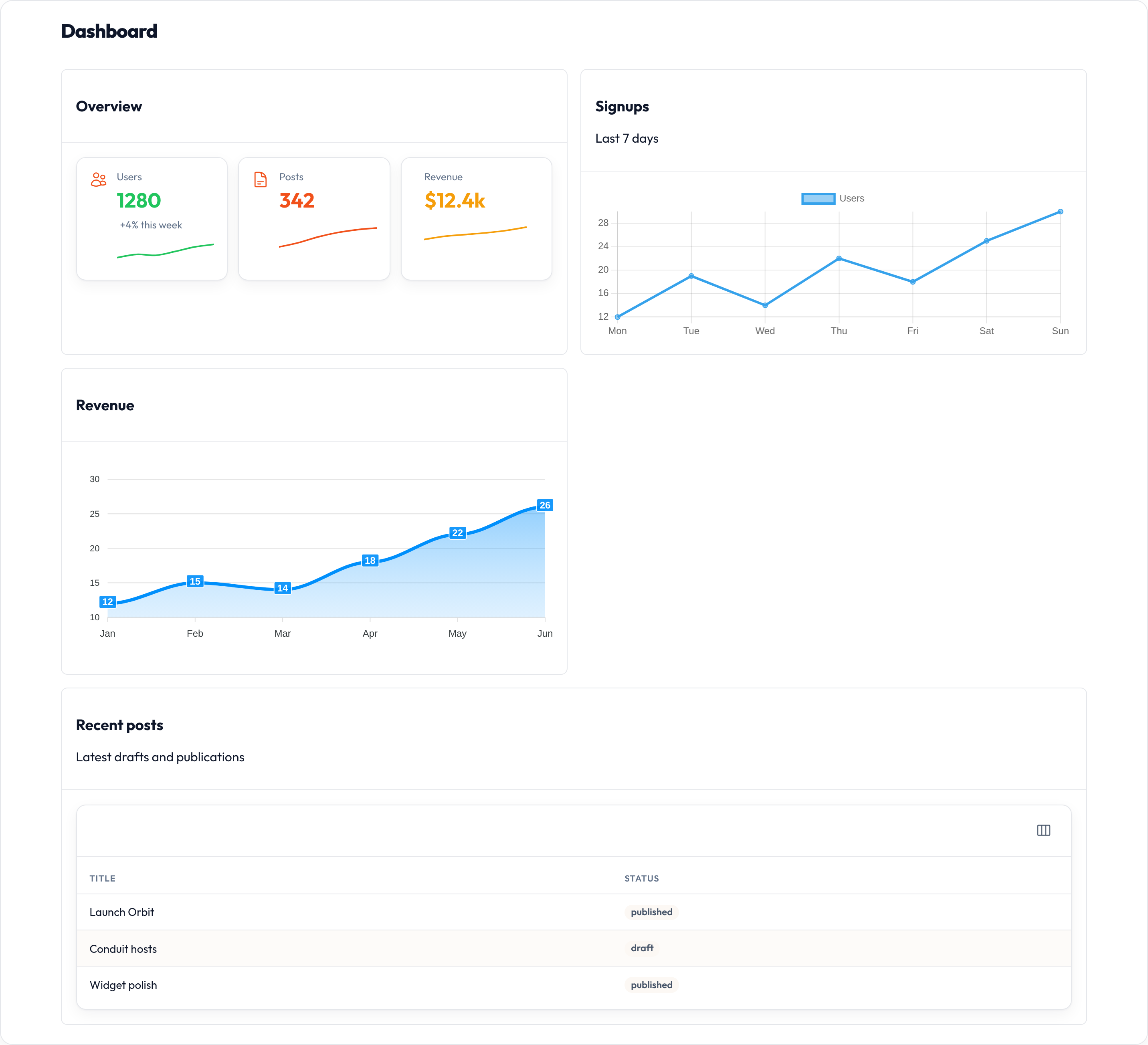
With no widgets registered, the page shows a short welcome message using the panel brand name.
Register widgets
Section titled “Register widgets”Prefer Panel.widgets([...]). The default Dashboard.get_widgets returns panel.get_widgets(). Discovery via discover_widgets / discover_panel_dirs also appends Widget subclasses under app/orbit/{panel}/widgets/.
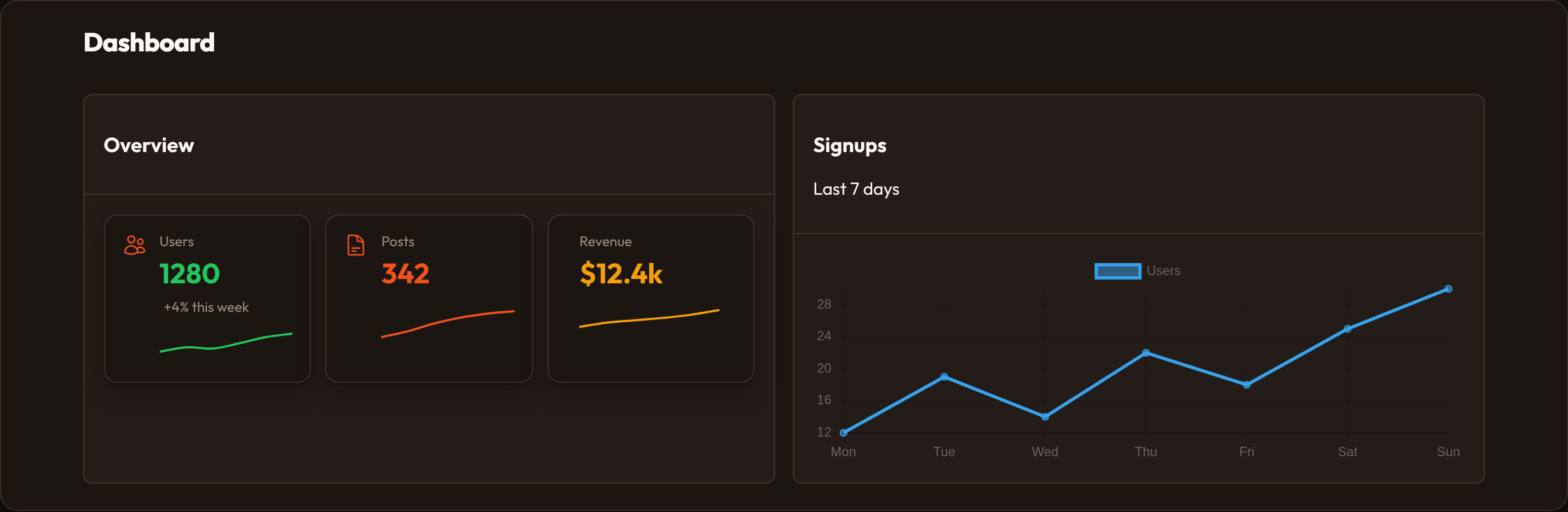
Panel.make("app") .widgets([OverviewStats, SignupsChart]) .discover_panel_dirs()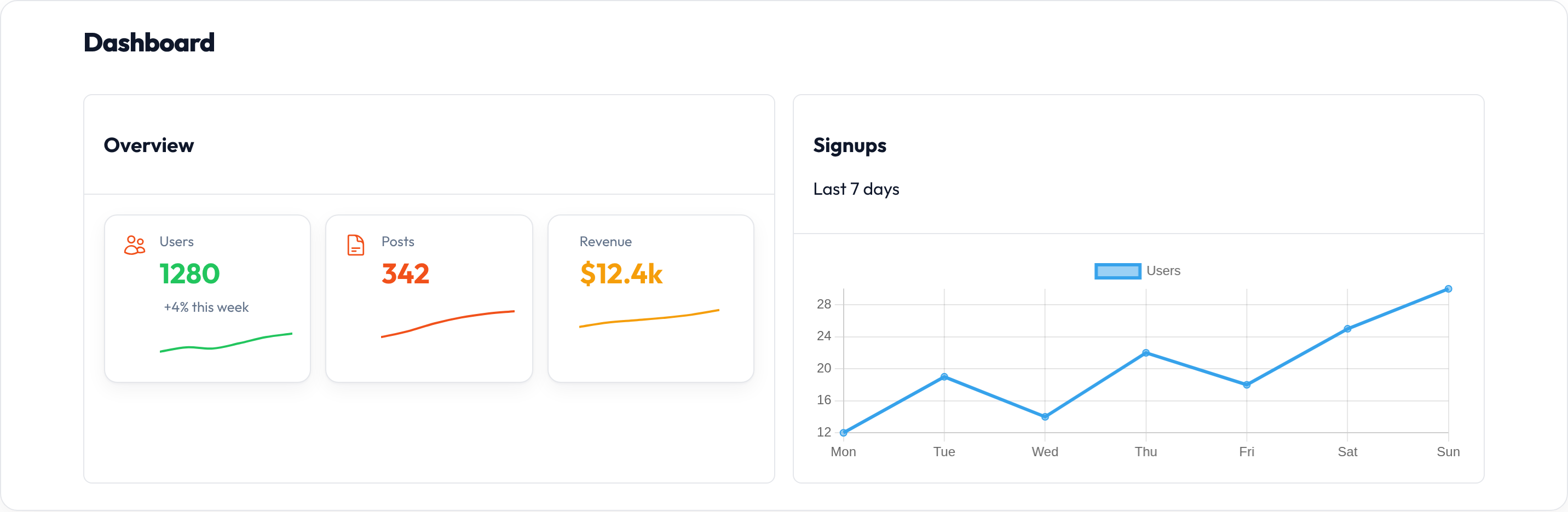
Columns
Section titled “Columns”Override get_columns to set the grid. Return an int or a breakpoint map (default / sm / md / lg / xl).
from almasix.orbit.panels.pages import Dashboard
class AdminDashboard(Dashboard):    @classmethod    def get_columns(cls) -> int | dict[str, int]:        return {"default": 1, "md": 2, "xl": 3}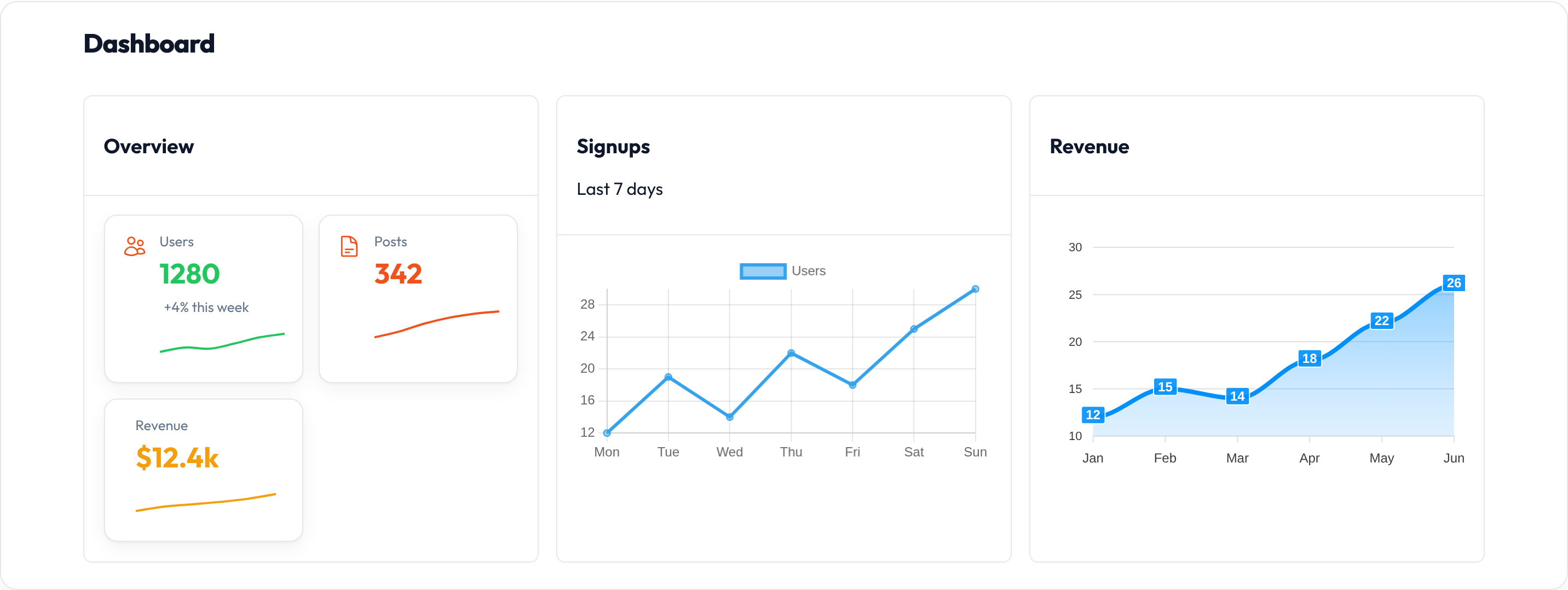
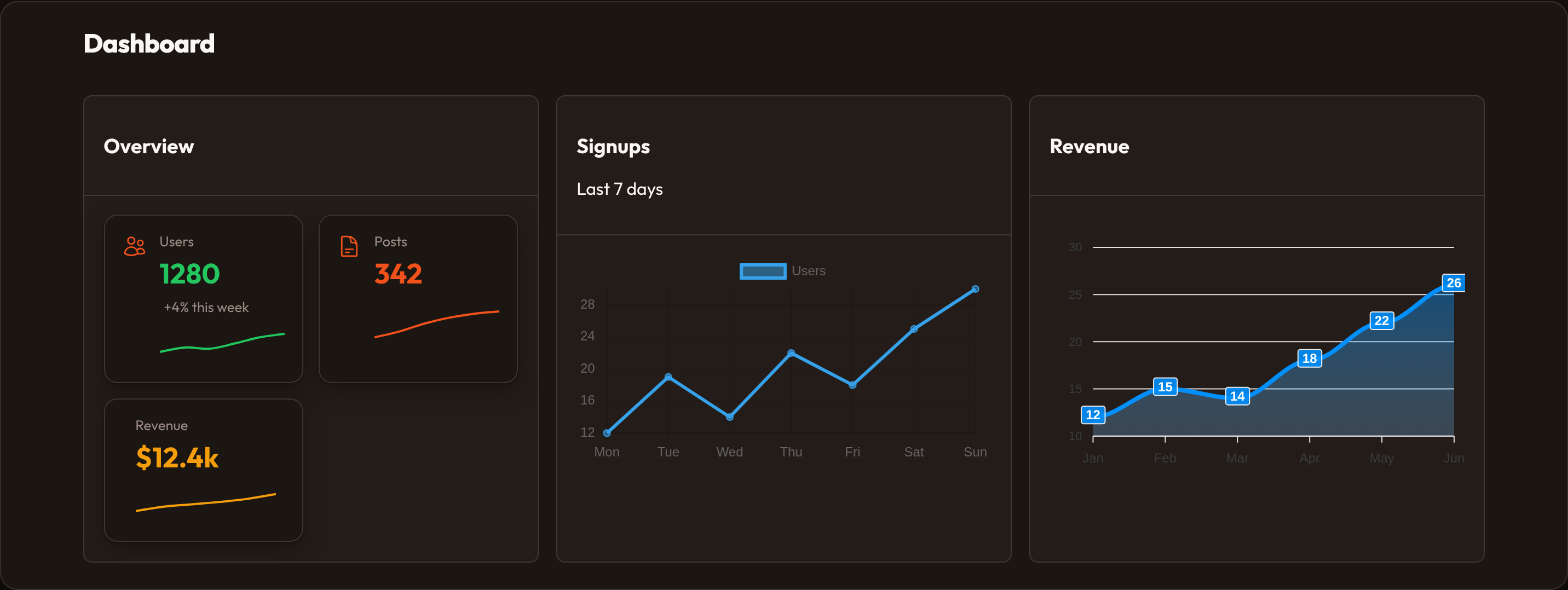
The page emits --or-dashboard-cols (and breakpoint custom properties) on .or-dashboard-widgets.
Custom widget list
Section titled “Custom widget list”Override get_widgets when a dashboard should not use the panel-wide list — useful for analytics-only pages.
from almasix.orbit.panels.pages import Dashboardfrom app.orbit.app.widgets import RevenueApex, SignupsChart
class AnalyticsDashboard(Dashboard):    title = "Analytics"
    @classmethod    def get_widgets(cls, panel=None):        return [SignupsChart, RevenueApex]
Filters form
Section titled “Filters form”Dashboard.filters_form(schema) stores a form/schema rendered above the widget grid. Filter state is passed to widgets as page_filters (widgets can call filter_value("key")).
from almasix.orbit.forms import Selectfrom almasix.orbit.panels.pages import Dashboard
class FilteredDashboard(Dashboard):    persists_filters_in_session = True
FilteredDashboard.filters_form(    Select.make("range")    .label("Range")    .options({"7d": "7 days", "30d": "30 days"}))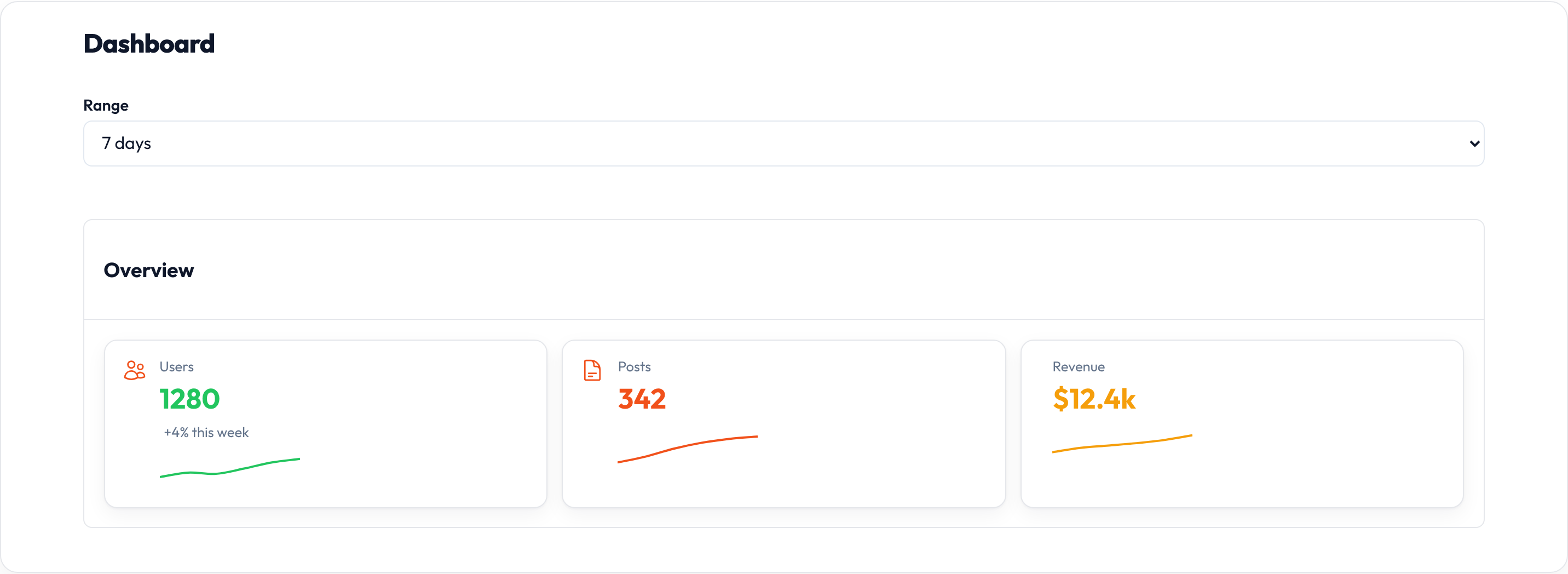
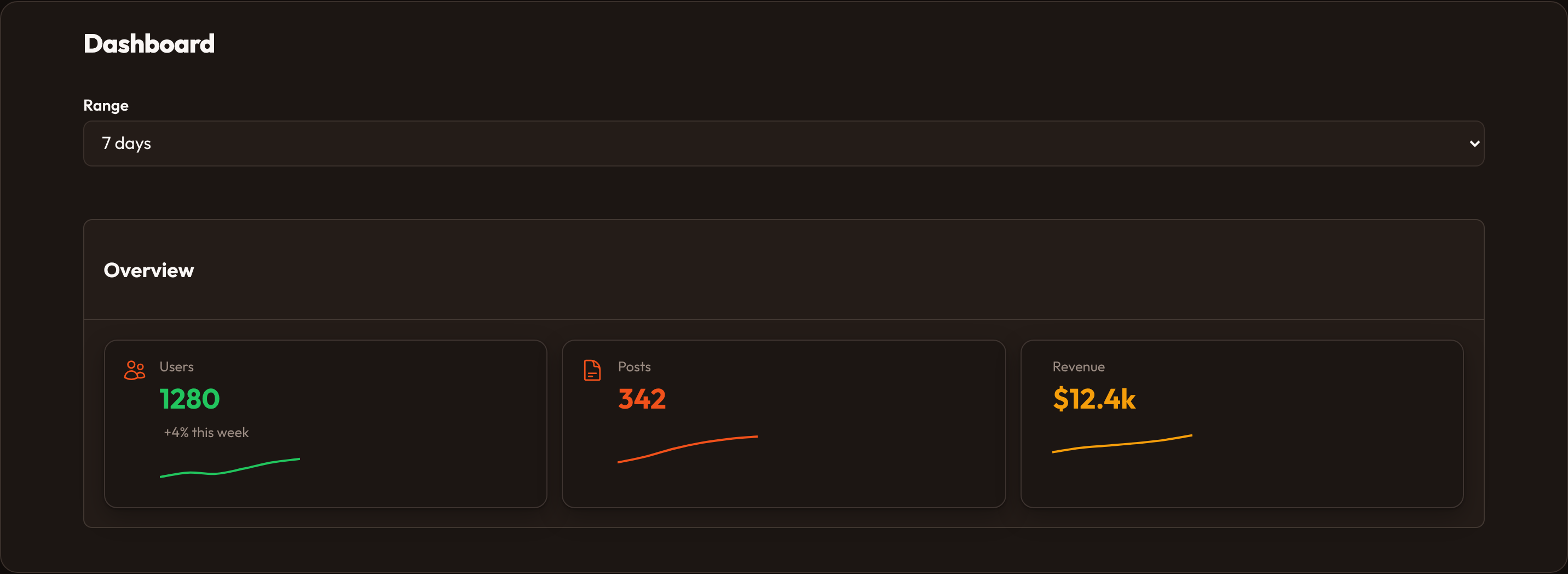
Set persists_filters_in_session = True to keep values across requests. Optional header_filter_actions([...]) (and filters_in_header) place FilterAction-like controls beside the page title.
Multi-dashboard route path
Section titled “Multi-dashboard route path”Subclass Dashboard, set route_path (e.g. "analytics"), and register the page on the panel. The default home dashboard stays at /; additional dashboards mount under their path segment.
from almasix.orbit.panels.pages import Dashboard
class AnalyticsDashboard(Dashboard):    title = "Analytics"    route_path = "analytics"    navigation_label = "Analytics"    navigation_icon = "heroicon-o-chart-bar"    navigation_sort = -90
@classmethod def get_columns(cls) -> int: return 2Panel.make("admin") .pages([AnalyticsDashboard]) .widgets([...]) # home dashboard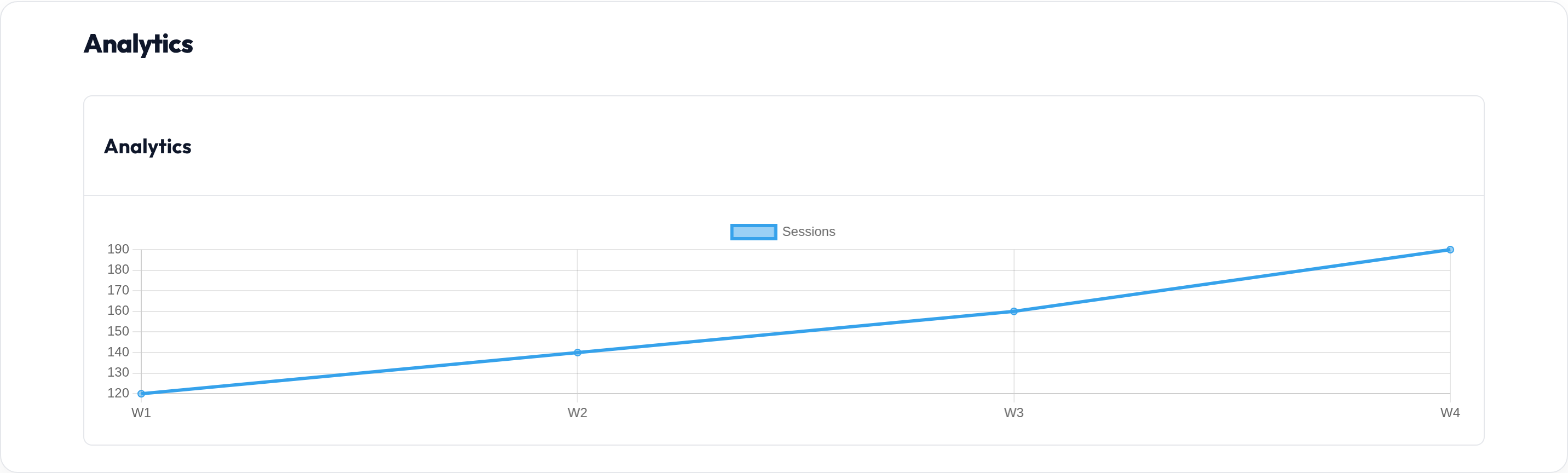
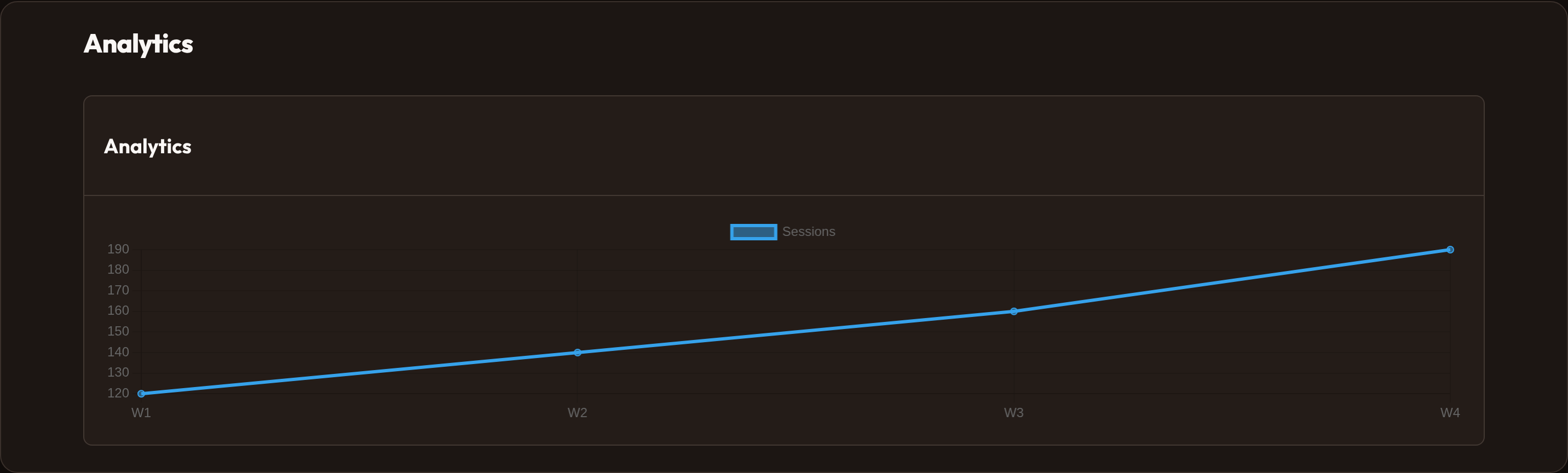
get_route_path() exposes the class attribute for routing helpers.
Replace the default dashboard
Section titled “Replace the default dashboard”Panel.make("admin") .dashboard(AdminDashboard) # or .dashboard(False) to disableWhen the dashboard is disabled and resources exist, the first resource list becomes home.
Rendering contract
Section titled “Rendering contract”Dashboard.render(**ctx) resolves widgets, sorts by .get_sort(), skips can_view failures, and joins HTML into the grid. Pass page_filters, columns, or widgets in ctx to override class defaults (handy in tests and gallery shots).